Waters
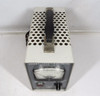
Waters Model 334 Dummy Load-Wattmeter – 1 kW Peak Oil-Cooled RF Dummy Load with Integral Wattmeter, SO-239 Connector, Tested Working, Very Good Condition

- MPN:
- 334
- Condition:
- Used
- Shipping:
- $25.00 (Fixed Shipping Cost)






Frequently bought together:
Description
Waters Model 334 Dummy Load-Wattmeter – 1 kW Peak Oil-Cooled RF Dummy Load with Integral Wattmeter, SO-239 Connector, Tested Working, Very Good Condition.
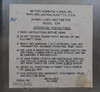
Information and SpecificationsThe Waters Manufacturing Inc. (Wayland, Massachusetts) Model 334 is a classic combination RF dummy load and wattmeter designed for non-radiating performance testing of amateur radio transmitters. It features a non-inductive oil-cooled 52-ohm load resistor with an integral direct-reading RF wattmeter.Key specifications (from the unit’s operating label and period documentation):
- Impedance: 52 ohms
- Frequency range: approximately 2–230 MHz (usable as a power indicator higher; accuracy statements typically apply best on the lower bands)
- Power rating: 1 kilowatt peak (intermittent duty); continuous ratings are lower and limited by heat
- Wattmeter ranges: switchable full-scale ranges of 10, 100, and 1000 watts (some references also note a 300 W scale on related 334A versions)
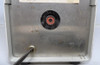
- Warning light: red indicator that illuminates when maximum operating temperature (approximately 220 °F) is approached; transmitter must be turned off when lit
- Connector: hermetically sealed SO-239 (UHF) on the rear panel
- Construction: perforated steel case with carrying handle, approximately 4¾″ × 9″ × 10¼″
- Serial number on this unit: 18-113-51
Typical UsesUsed with virtually any HF or VHF amateur radio transmitter or linear amplifier that has a standard SO-239/PL-259 connection. Ideal for tuning, power measurement, and performance checks without radiating a signal. Commonly paired with vintage and modern HF rigs (Collins, Drake, Heathkit, Kenwood, Yaesu, Icom, etc.), mobile and base stations, and test benches. Also suitable for commercial two-way radio service work within its frequency and power limits.
Related Products

Waters 334 Dummyload Wattmeter Op Manual Copy
$3.00
This Manual was Re-produced using a State of the Art, Sharp Laser Printer with the High Resolution Scanning option. Each Manual is digitally scanned and all pictures and images are reproduced in the...

Heathkit Model HN-31A Cantenna RF Dummy Load ORIGINAL Assembly Manual
heathkit
$4.99
This Heathkit HN-31 Cantenna RF Dummy Load ORIGINAL Assembly Manual, Is in excellent condition.
Why buy a copy when you can own this original?
This Original manual comes with a satisfaction guarantee...

Heathkit Model HN-31 Cantenna RF Dummy Load ORIGINAL Assembly Manual
heathkit
$4.99
This Heathkit HN-31 Cantenna RF Dummy Load ORIGINAL Assembly Manual, Is in excellent condition.
Why buy a copy when you can own this original?
This Original manual comes with a satisfaction guarantee...